0493 008 270
Home/Services/3D Printing
3D Printing · Sunshine Coast

3D Printing
Sunshine Coast

FDM and resin 3D printing from Corbould Park. Most jobs are ready within 24-72 hours after approval.

ProtoMade is a rapid make-and-test lab based in Corbould Park, printing FDM and resin parts for Sunshine Coast makers, engineers, and small businesses. Most jobs are ready within 24-72 hours after approval. Whether you're testing a design before committing to tooling or need a one-off part made properly - we print it, you check it, you know it works.

At a glance

3D printing facts.

The key information needed to decide whether ProtoMade is the right fit for your job.

3D printing capability summary
ProcessesFDM and MSLA resin 3D printingFunctional parts, prototypes, detailed models, and short runs
FDM build volume350 x 320 x 325 mmLarger parts can be reviewed for splitting and assembly
Resin build volume222 x 122 x 228 mmBest for fine detail and smooth surfaces
Job assessmentQuoted after file reviewSend a STEP or STL file with quantity and required finish
Quote confirmationBefore productionMaterial, setup, preparation, and timing are confirmed upfront
Preferred filesSTL or STEPBasic print preparation and minor file repair can be quoted
Typical turnaround24-72 hours after approvalUrgent smaller jobs may be possible when the queue allows
Capabilities

What we print
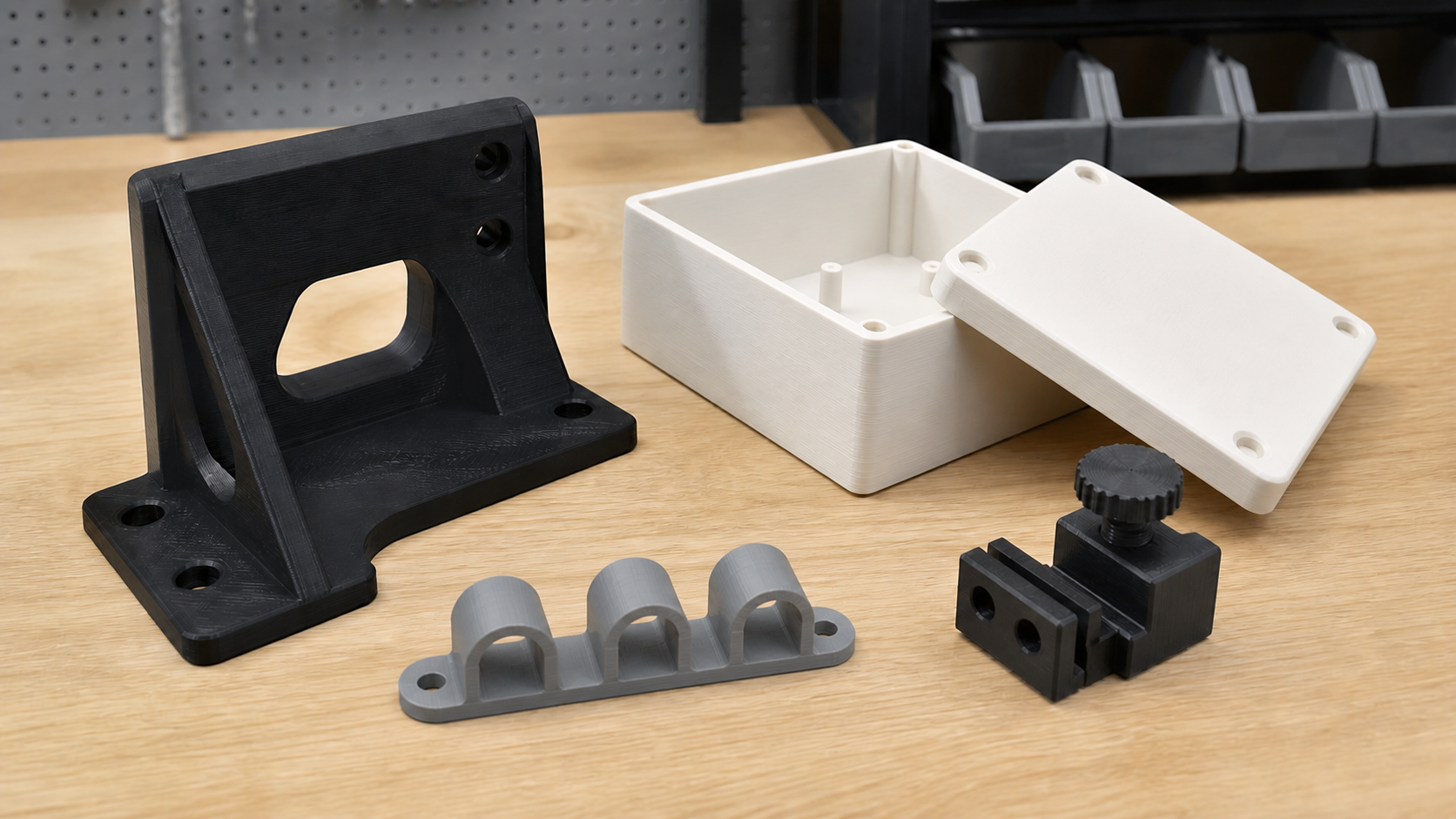
FDM Printing

FDM Printing

Build volume: 350 × 320 × 325 mm

Best for functional parts, enclosures, brackets, fixtures, and jigs. Strong, cost-effective, and great for iterating quickly. If you need something that fits, loads, or holds - FDM is usually the right call.
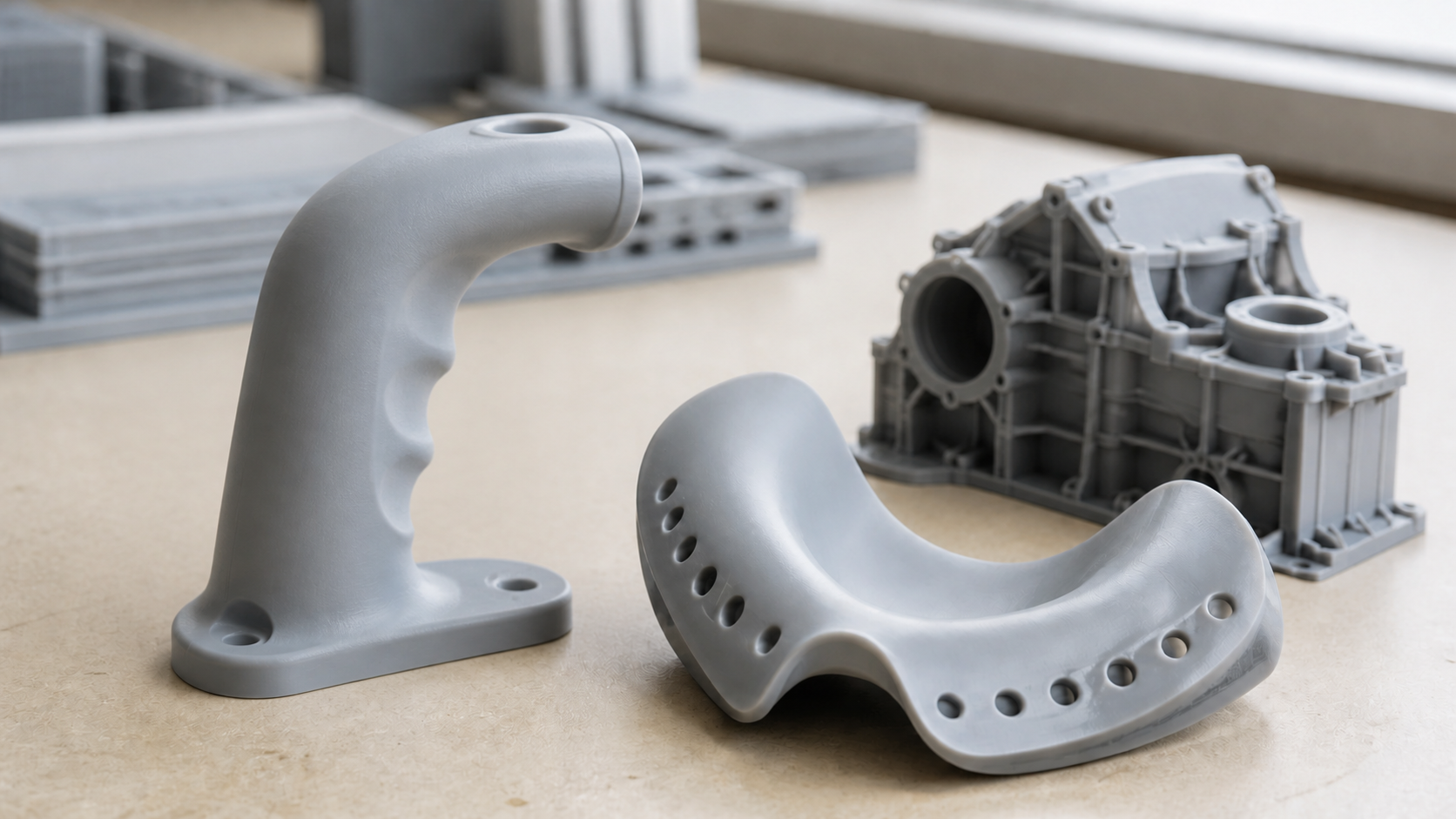
MSLA Resin Printing

MSLA Resin Printing

Build volume: 222 × 122 × 228 mm

For parts that need fine detail, smooth surfaces, or precise tolerances. Ideal for presentation models, small mechanical components, and detailed prototypes where surface finish matters.
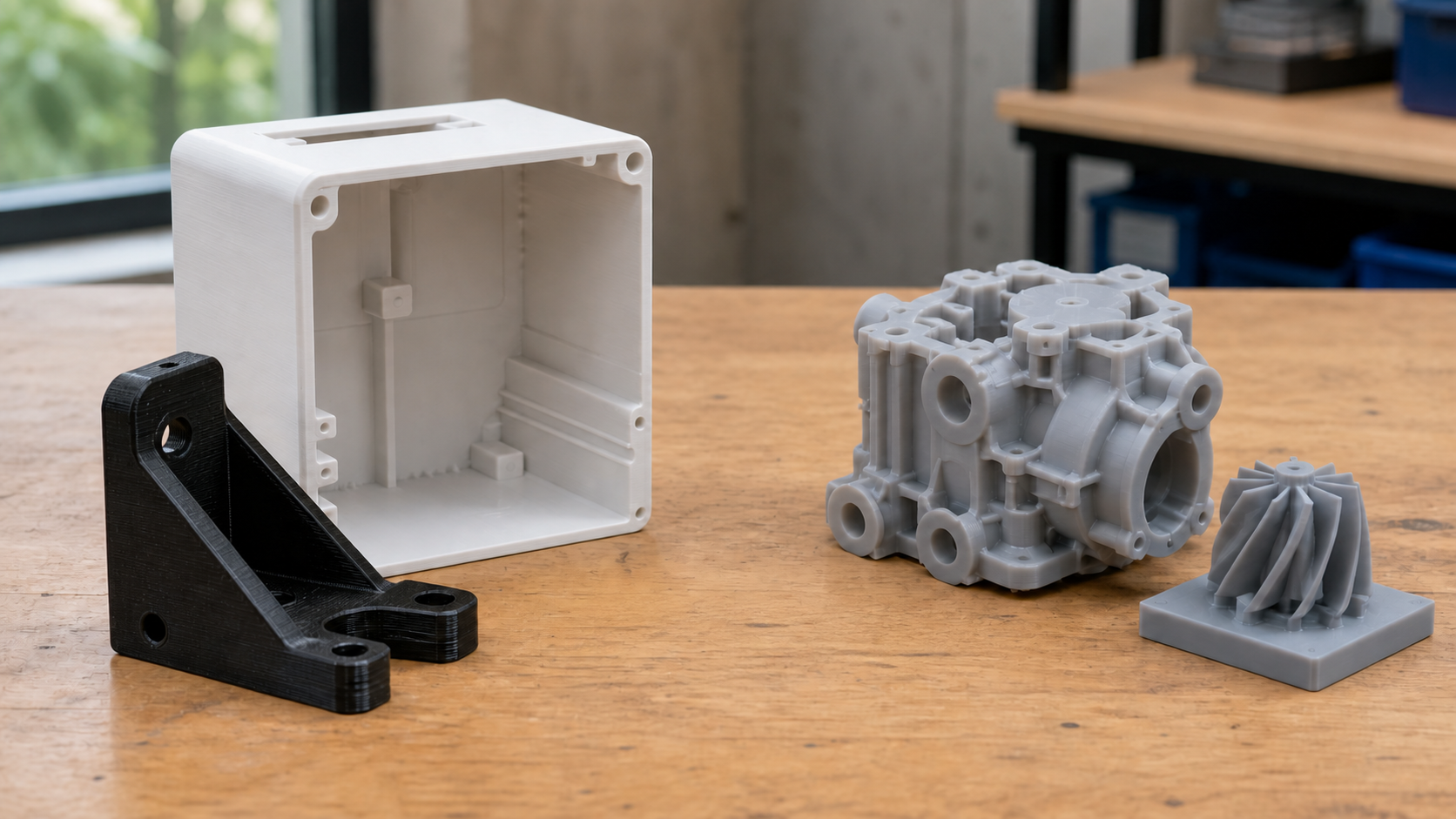
Not sure which to use?

Not sure which to use?

We'll advise for free

Send us your file or describe what you're making - we'll tell you which process suits your part best. No charge for the advice, and no pressure to proceed if it's not the right fit.
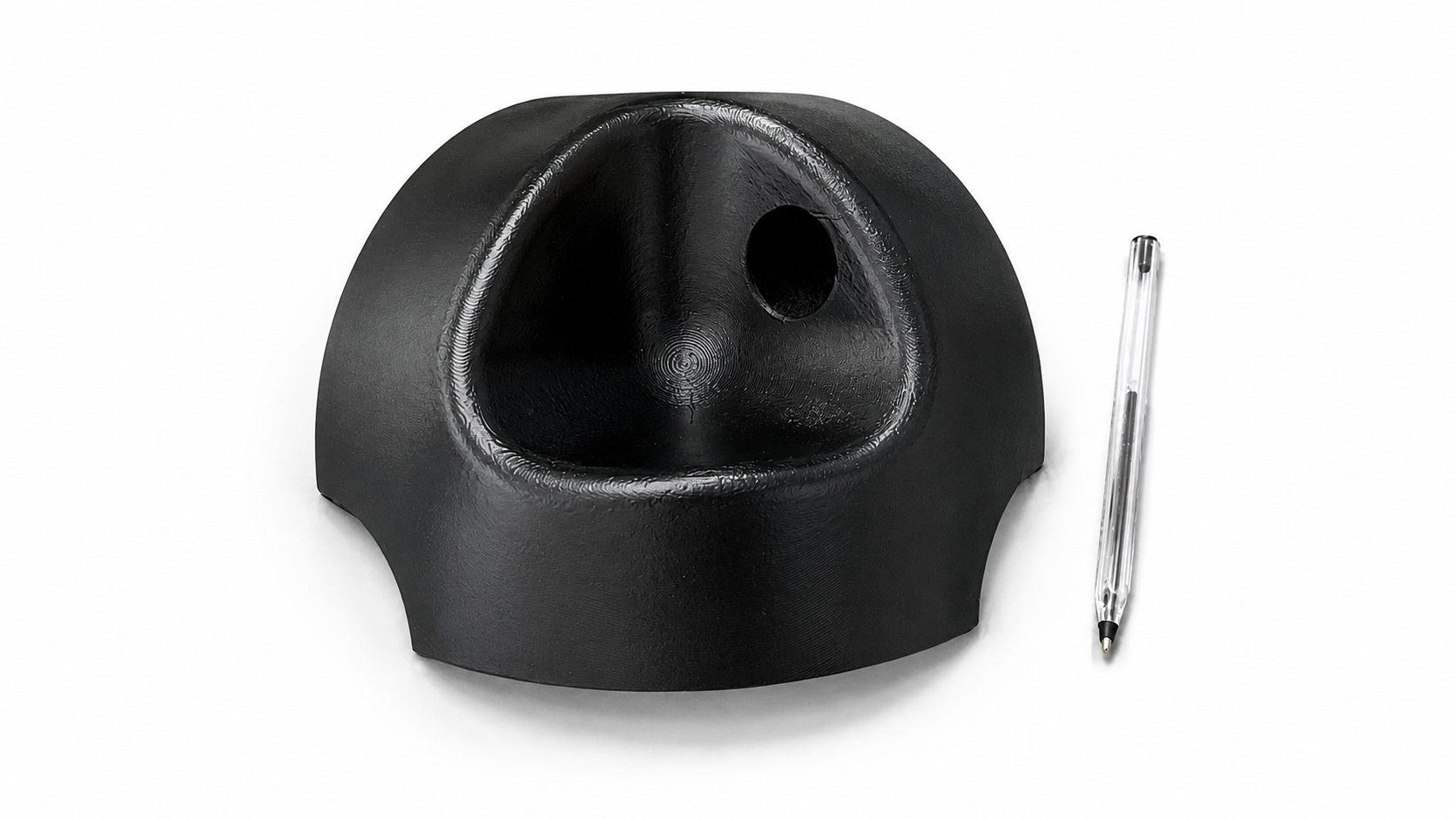
Material options

Materials matched to the job.

Different parts need different properties. We print everything from economical prototype materials to flexible, outdoor, heat-resistant, and fibre-reinforced engineering filaments. Tell us how the part will be used and we'll recommend the most suitable option.

Everyday materials PLA · PETG
Why use it

Fast, economical options for prototypes and general-purpose parts.

Typical uses

Concept models, fit checks, brackets, enclosures, guards, workshop parts, and display pieces.

Durable and specialist ABS · ASA · HIPS
Why use it

Tough materials for functional parts. ASA adds strong resistance to sunlight and weather. HIPS is lightweight, impact-resistant, and can also be dissolved from complex ABS prints.

Typical uses

Equipment housings, tool components, outdoor fixtures, signage, exterior automotive prototypes, lightweight models, and soluble support for ABS.

Flexible materials TPU
Why use it

Flexible, resilient material for parts that need to bend, grip, cushion, or absorb impact.

Typical uses

Seals, bumpers, grips, protective covers, flexible feet, vibration damping, and wear-resistant components.

Engineering materials PC · PA · PET
Why use it

Strong engineering plastics for heat, impact, wear, and demanding mechanical use.

Typical uses

Structural prototypes, tough housings, gears, clips, hinges, jigs, tooling, and moving parts.

Fibre-reinforced materials Carbon-fibre · Glass-fibre reinforced
Why use it

Added stiffness and dimensional stability for functional parts that need to hold their shape under load.

Typical uses

Brackets, fixtures, tooling, machine components, low-volume production parts, and precise assemblies.

High-performance materials PPA-CF · PPS-CF
Why use it

Specialist materials for high heat, chemicals, stiffness, and demanding industrial environments.

Typical uses

Engine-bay prototypes, chemical-resistant components, electronics, mechanical assemblies, and industrial tooling. Final suitability depends on the part design, load, temperature, and operating environment.

Resin printing

Resins for detail and performance.

Resin printing is suited to fine detail, smooth surfaces, presentation models, and specialised functional parts. We can match the resin to the finish, flexibility, wear, heat, or handling requirements of the job.

Standard modelling resin Matte · General-purpose
Why use it

A reliable option for sharp detail, smooth matte surfaces, and everyday model printing.

Typical uses

Visual prototypes, consumer product mockups, figurines, presentation models, and design validation.

Rapid prototyping resin Strong · Precise · Low shrinkage
Why use it

Good strength, surface detail, and dimensional accuracy for quick physical checks.

Typical uses

Fit checks, housings, functional prototypes, assembly reviews, and revised design iterations.

Precise-detail resin Fine features · Sharp edges
Why use it

Designed for small features, clean edges, and detailed surfaces that need to remain clear after printing.

Typical uses

Miniatures, textured models, detailed presentation parts, small components, and paint-ready pieces.

Flexible production resin Flexible · Breakage-resistant · Clear options
Why use it

A tougher, bendable resin for parts that need some give, impact resistance, or transparency.

Typical uses

Flexible prototypes, delicate features, protective components, clear models, and handling samples.

Wear-resistant resin Smooth · Frequent-contact parts
Why use it

A hard, smooth resin for parts that will be handled, moved, or subjected to repeated surface contact.

Typical uses

Movable models, control components, electronic products, handling prototypes, and outdoor equipment.

High-temperature rigid resin High stiffness · Heat-resistant
Why use it

A high-precision structural resin with strong deformation resistance and a heat deflection temperature up to 95°C.

Typical uses

Load-bearing prototypes, silicone mould tooling, housings, brackets, cable clips, fittings, and moderate-temperature components.

Speed

Why fast local turnaround matters

When you're testing a design, every day you wait is a day you can't iterate. Interstate suppliers take a week. Online services take longer. ProtoMade is five minutes from the Bruce Highway - you drop off a file, we print it, you pick it up.

Most jobs are ready within 24-72 hours after approval. Same-day service may be available for smaller urgent jobs when the queue allows - contact us first.

3D printing turnaround Sunshine Coast
Process

How it works

1

Send your file

STEP or STL preferred. Basic print preparation and minor file repair are available. If the product still needs industrial design or concept development, start with Lotrix.

2

We quote and confirm

We'll confirm the material, finish, and price. You approve before anything is printed - no surprises.

3

Print and quality check

Every part is checked before handover. If it's not right, we fix it.

4

Pickup or delivery

Collect from Unit 18, 34-36 Claude Boyd Parade, Corbould Park. Delivery can be arranged for larger orders.

Need the product designed first?

Start the design work at Lotrix.

ProtoMade handles printing, basic print preparation, and minor file repair. Lotrix handles industrial design, concept development, rendering, and animation.

Visit Lotrix
FAQ

Common questions.

What can you make with a 3D printer?

Brackets, enclosures, housings, prototypes, jigs, fixtures, replacement parts, presentation models, and custom components. If it can be modelled, it can usually be printed. Our printers handle up to 350 × 320 × 325 mm per piece - for anything larger, we split the design into sections and assemble or glue them together. We'll advise on the right process and material for your specific part.

Can I get 3D printing done same-day near me?

Yes, for smaller jobs when the queue allows. The fastest path is to have a clean STEP or STL file ready and contact us first thing in the morning. Most jobs are completed within 24-72 hours of file approval. Tell us your deadline and we'll work around it where we can.

How much does 3D printing cost?

Print-only FDM jobs start from $50 when you provide a print-ready STL and the print takes less than 5 hours. Resin printing and custom production work have a $120 minimum. Send us a STEP or STL file and we will quote it fast.

Do you repair or fix broken 3D files?

Yes. File repair is a listed service at ProtoMade. If your STL has errors that prevent printing, we can fix the mesh, check wall thicknesses, and get the file print-ready. There may be a small charge for this, which we'll confirm before starting.

Ready to print?

Send us your file and we'll review it promptly with a clear quote and expected turnaround.

Get a Quote